Tasting Your Community – January 2024
Jesus Garcia of Mission Gardens and the Desert Museum. Learn how Native Americans and modern residents of the Sonoran Desert Region have used their environment to find food, medicine, and tools to live in harmony with the surrounding desert. Your community is more than just its people – it’s the whole ecological tapestry of interwoven lives in their environment. What better way to ponder local ecology than to eat of its riches! Sample native and traditional foods and learn techniques to gather and process them. Experiment with natural fibers and pigments. And come away with a new view of the desert’s cornucopia and some great sense of place activities to share with others.

Biochar – December 2023
Janick Artiola, Ph.D. is a Retired Associate Professor, Researcher, and Extension Water Quality Specialist from the Department of Environmental Science at the University of Arizona. As a soil scientist/chemist Janick has expertise in water quality, waste management and soil fertility with 36 years of experience working with soils and water quality in semi-desert Southwest. The presentation will cover the following topics: Biochar composition and characterization, how to make biochar, and how to safely use biochar in gardens.

Fruit Trees For Tucson – October 2023
Emily Rockey – Mission Gardens. Drought tolerance is a highly desirable characteristic of desert dwelling fruit trees, especially in current climate conditions. Tucson’s agricultural heritage museum called ‘Mission Garden’ grows desert adapted and native crops. The presentation will offer details about varieties’ drought tolerance and general hardiness, as well as insight about their roles in the cultural traditions of the region. Finally, key cultivation and maintenance techniques will be discussed with regards to increasing water efficiency and mitigating the impact of extreme environmental conditions.
Healthy Soils – September 2023
Shota Austin, of Tank’s Green Stuff, will discuss the foundation for healthy soil and how to foster healthy soil in the garden. Topics include but aren’t limited to: soil microbiology, soil health, mulch, pests, agroecology, and composting. He will explore how quality organic materials can be applied to encourage healthy soil and, in turn, healthy and happy gardens.
Arid Adapted Seeds – May 2023
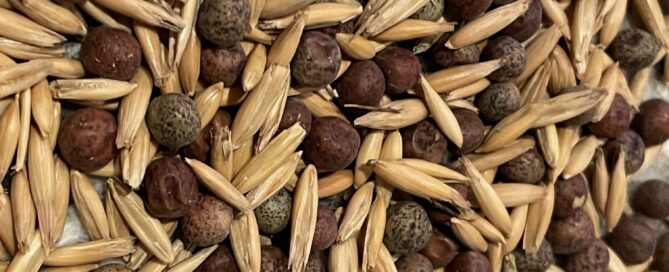
Joel Johnson and Monica Sanders from Native Seeds/SEARCH will be providing an overview of how their organization grows, saves, and shares arid-adapted crop seeds and works with farmers and gardeners throughout the Southwest to preserve agricultural biodiversity and to share knowledge and seeds. They will also speak about some of their composting methods with an emphasis on making high-fungal compost, which can provide unique benefits to desert soils, using a Johnson-Su composting bioreactor.
Native and Near-Native Planting – March 2023
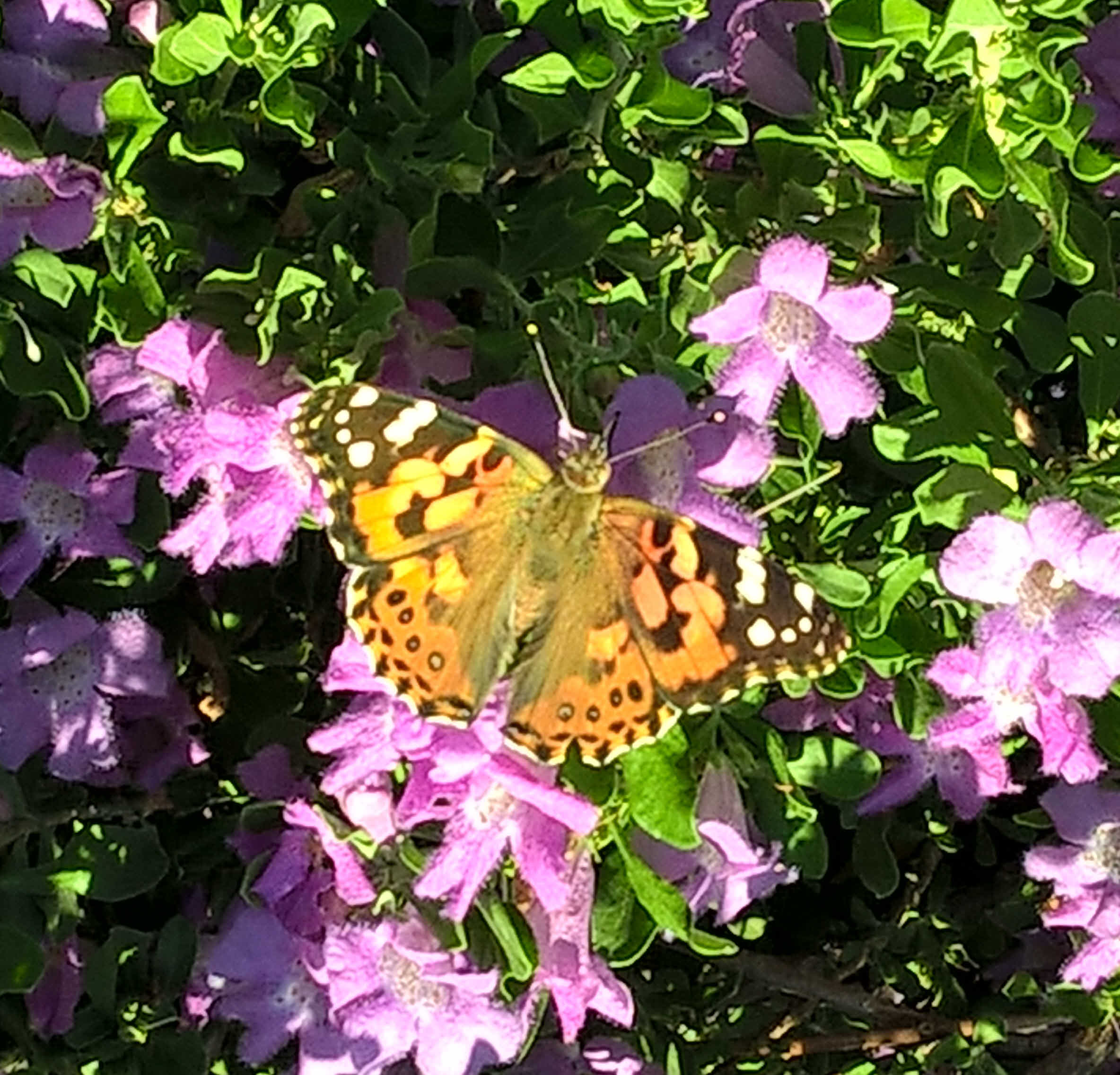
Plant native and near-native plants in and around the vegetable garden to repel or distract garden pests and attract native pollinators to support your garden. Carianne of Strategic Habitat Enhancements and Jared from Spadefoot Nursery will be sharing great ideas for your garden!